Why doesn't New Zealand get some tech? Mostly because the market is small, about 5.3 million people, and companies localise for Australia first. If a launch isn't worth doing for Australia, New Zealand gets skipped with it. Compliance costs, local support and content licensing add more reasons. The Google Pixel is the clearest example: official in Australia, parallel-import only here.
Why New Zealand doesn't get some tech products is a question every Kiwi who has tried to buy a Google Pixel runs into eventually. You find the phone, you find the reviews, then you find there is no New Zealand store to buy it from. It feels like a snub, like we have been left off the list on purpose.
We have been left off a list, but not out of spite. The decision is almost always arithmetic, made by someone overseas looking at a population number, and once you see how that maths works the pattern stops being mysterious.
Which tech does New Zealand miss out on?
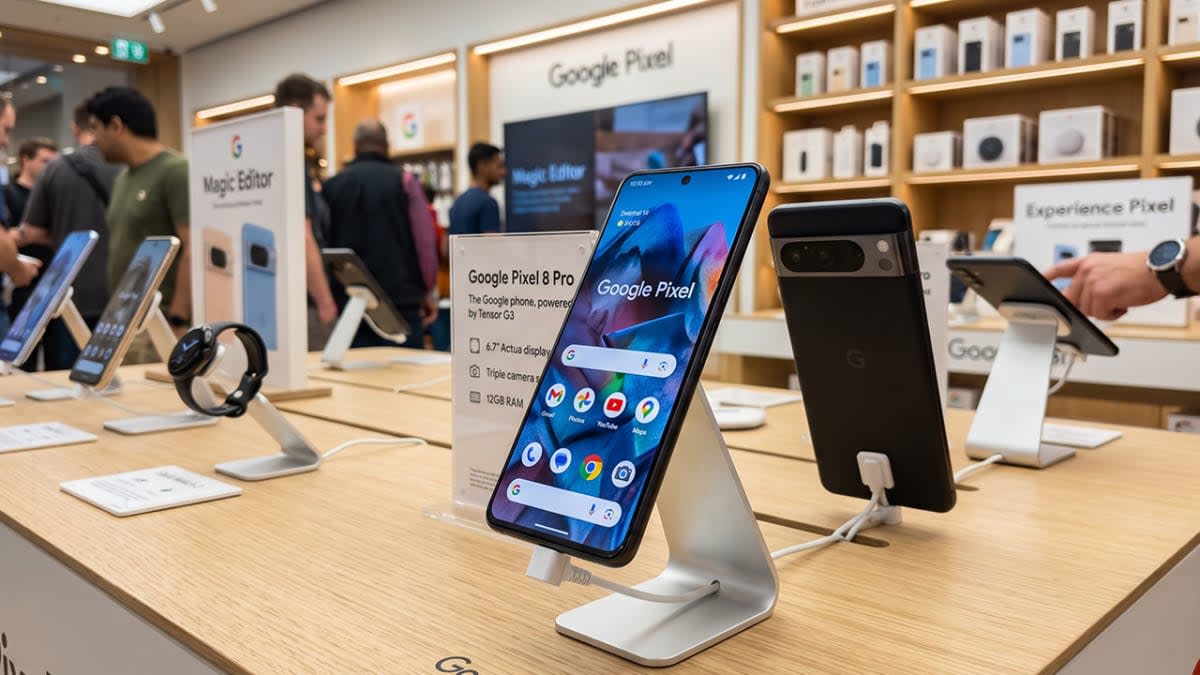
The headline example is the Google Pixel. Google sells it directly in Australia through an official Google Store, with local warranty, trade-in and price promise. There is no Google Store in New Zealand and never has been. If you want a Pixel here, you buy it from a parallel importer who brings the stock in themselves. The same goes for the rest of Google's hardware: the Pixel Watch, Pixel Buds and Nest gear are all official across the Tasman and absent here.
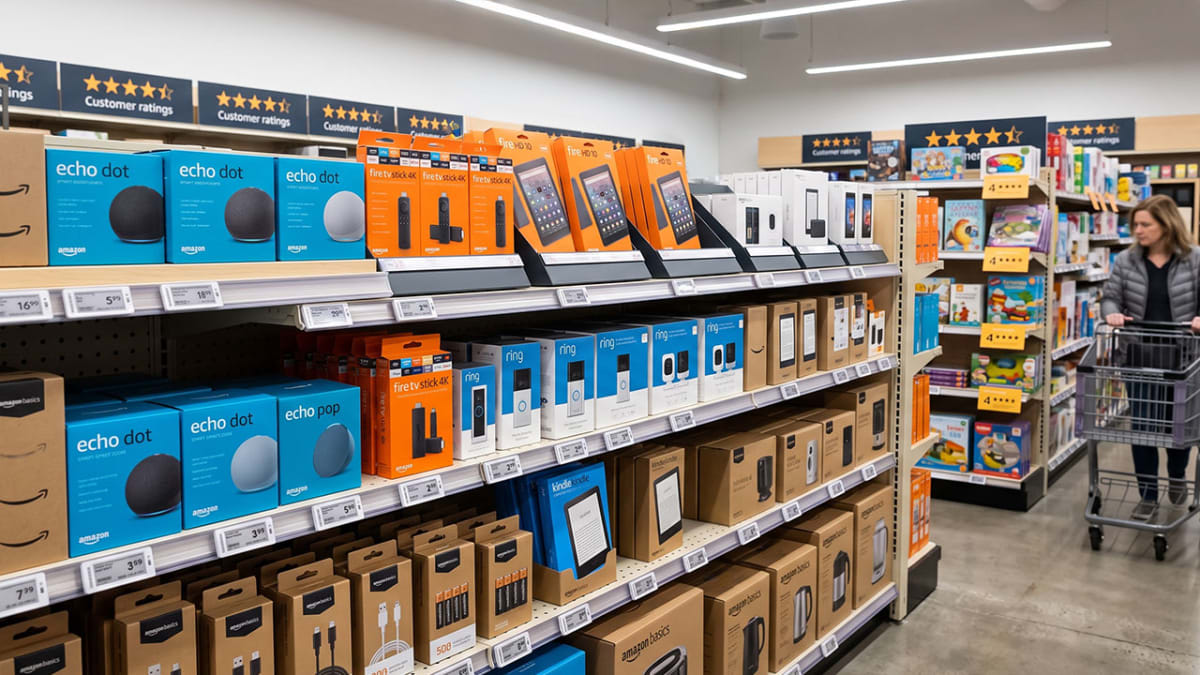
Amazon is the other big one, and it shows a sneakier version of the problem. There is no Amazon.co.nz. You can buy an Echo speaker from Noel Leeming or JB Hi-Fi, and basic Alexa works, but the full experience is fenced off. Amazon's new generative Alexa+ has not launched here. Amazon Music Unlimited is not available through Alexa in New Zealand at all. So we get the hardware and a hollowed-out version of the service, which is arguably worse than not getting it, because the box on the shelf implies a product that only half exists once you plug it in.
These are not obscure gadgets. They are flagship devices from two of the largest tech companies on earth, and both treat New Zealand as optional.
Why doesn't New Zealand get some tech?
This is the idea that explains nearly all of it. The logic is brutally simple. Australia has 27 million people, we have 5.3 million. When a company decides whether to localise a product, sign the content deals, set up the support and stock the retail channel, they run the numbers on Australia first. If Australia clears the bar, New Zealand sometimes gets added because we are next door and similar. If Australia is borderline, we are the first thing cut.
To a global product team, New Zealand is not really its own market. It is the small print at the bottom of the Australia plan.
Even the red tape is built this way. New Zealand and Australia have a mutual recognition agreement on radio device compliance, so a product certified for supply in Australia can be exempt from needing a separate New Zealand declaration of conformity. That sounds like it helps us, and it does, but look at what it signals. The entire system assumes you are doing Australia first and letting New Zealand ride in behind it. When a company decides not to bother with Australia, the trans-Tasman shortcut that would have carried us in disappears too.
Regulation, support and the cost of a tiny market
Even when a company does want to sell here, there is friction that a market of five million doesn't always justify.
Radio-transmitting gear, which is most modern tech, has to comply with New Zealand's Radio Spectrum Management rules under the Radiocommunications Act. It is supplier self-declaration rather than a heavy approval process, but an overseas manufacturer still needs a New Zealand-based agent to sign and certify the product, and has to keep a compliance folder for years. That is a small cost for Apple. For a mid-sized brand weighing up a tiny market, it is one more reason to not bother.
Then there is support. Our Consumer Guarantees Act gives buyers strong rights, which means selling here properly involves a real local presence for warranty, repairs and returns. Standing that up for low volume is hard to justify. Add content rights carved up country by country, and financial rules that keep a lot of overseas fintech out entirely, and the list of "not worth it for New Zealand" decisions gets long.
How to get tech that isn't sold here
The gap gets filled by parallel importers, and that is mostly fine, with a few things worth knowing before you spend.
The good news: when you buy from a New Zealand-based parallel importer, the Consumer Guarantees Act still applies to that seller. They are on the hook if the product is faulty, regardless of where they sourced it. That is real protection people don't realise they have.
The catches are practical. A manufacturer's global warranty may not honour a repair done in New Zealand, so you could be relying on the importer rather than the brand. Some imported phones don't support every New Zealand network band, which can cost you coverage or 5G, so check compatibility against your telco before buying. And region-locked software doesn't go away. The Pixel will work, but a feature tied to a market we are not in might not.
My take: this isn't Silicon Valley snubbing us. It is a population number on a slide deck. Five million people at the bottom of the world get treated as a rounding error on Australia's spreadsheet, and most of the time we either ride in on Australia's coattails or we don't arrive at all. The fix isn't outrage. It is knowing the parallel-import market exists, knowing the Consumer Guarantees Act still has your back when you buy from a Kiwi seller, and treating "available in Australia" as the early signal that a product might, eventually, reach us too.
FAQ
Is the Google Pixel available in New Zealand?
Yes, but not officially from Google. There is no Google Store in New Zealand, so Pixels are sold here by parallel importers and third-party retailers who bring the stock in themselves. You get the phone, just without an official local Google channel.
Why doesn't New Zealand get some tech products?
Mostly market size. At 5.3 million people, New Zealand sits below the threshold where many companies bother to localise, certify and support a product. They make the call on Australia first, and we get added or dropped depending on that decision.
Are parallel imported products safe to buy in New Zealand?
Generally yes, with checks. The Consumer Guarantees Act applies to the New Zealand seller, so you have recourse if the product is faulty. Confirm network band compatibility for phones, and check whether the manufacturer's warranty covers local repairs or whether you are relying on the importer.
Does Australia getting a product mean New Zealand will too?
Not automatically, but it is the signal to watch. New Zealand is usually treated as an add-on to the Australian market, so an Australian launch is the precondition for us getting it. If a product skips Australia, it almost certainly skips us.